

The American Dream
Judith Hoffman
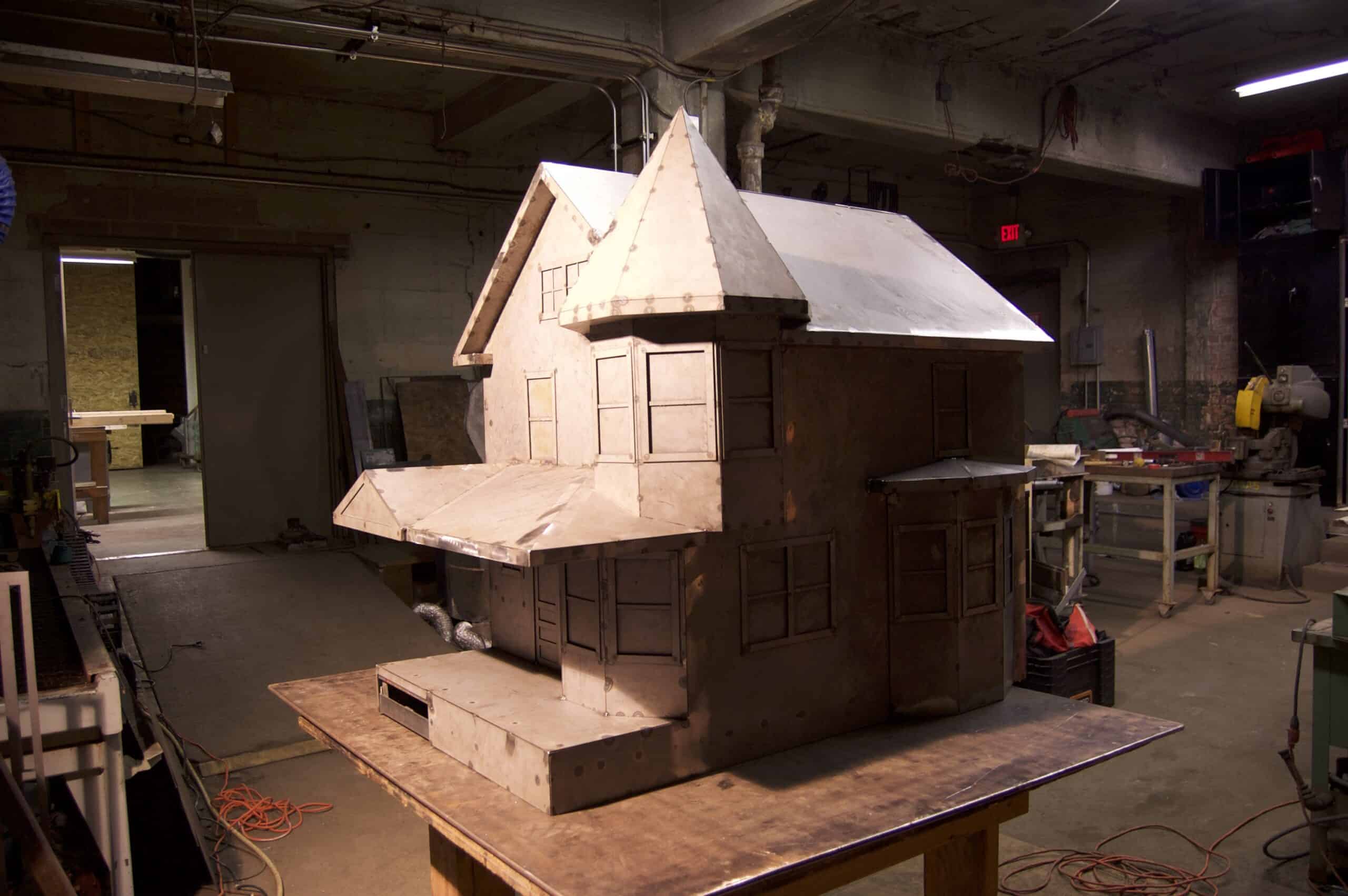
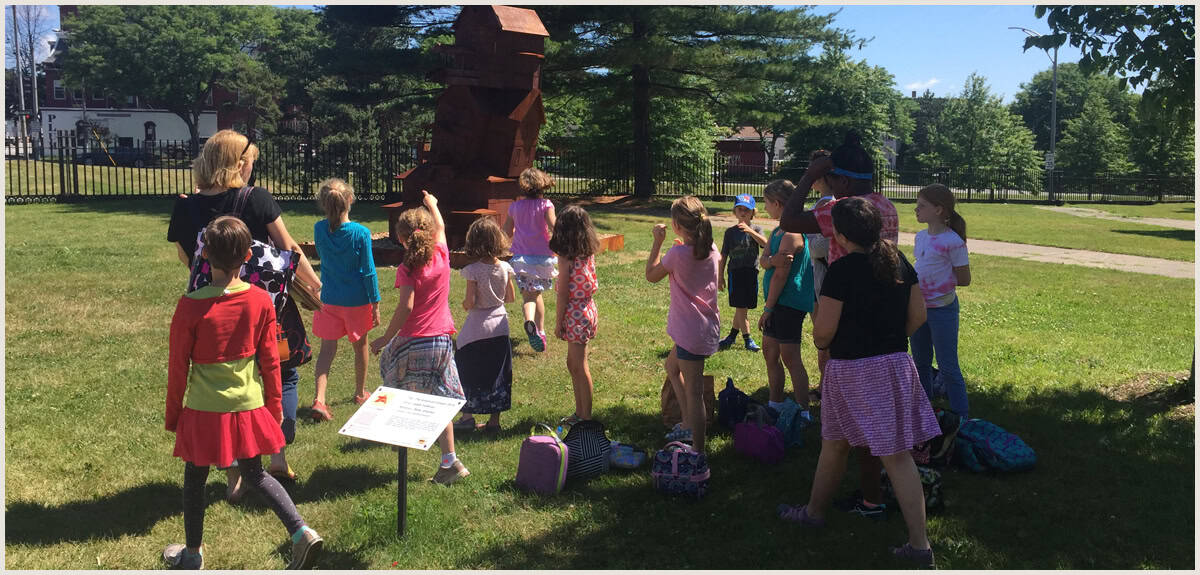
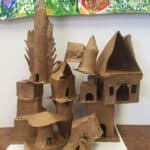
The American Dream was installed at the corner of Congress and Franklin Streets in Summer 2016. Hoffman created the large-scale sculpture based on the Sears Kit Homes from the early 1900s, exploring the notion of the “American Dream home.”
Artist statement
If you work hard with honesty, kindness, and responsibility towards others, you can achieve an ideal of personal autonomy still rooted in community. I believe that this ideal is most recognizably embodied in the freestanding, single-family home. That being said, at different points in history the idea and reality of “home” has had different meanings for Americans. What has however been consistent is the relationship between the individual and society that “home” represents.
Installation date
June 2016
Location
Lincoln Park
Materials
steel, enamel

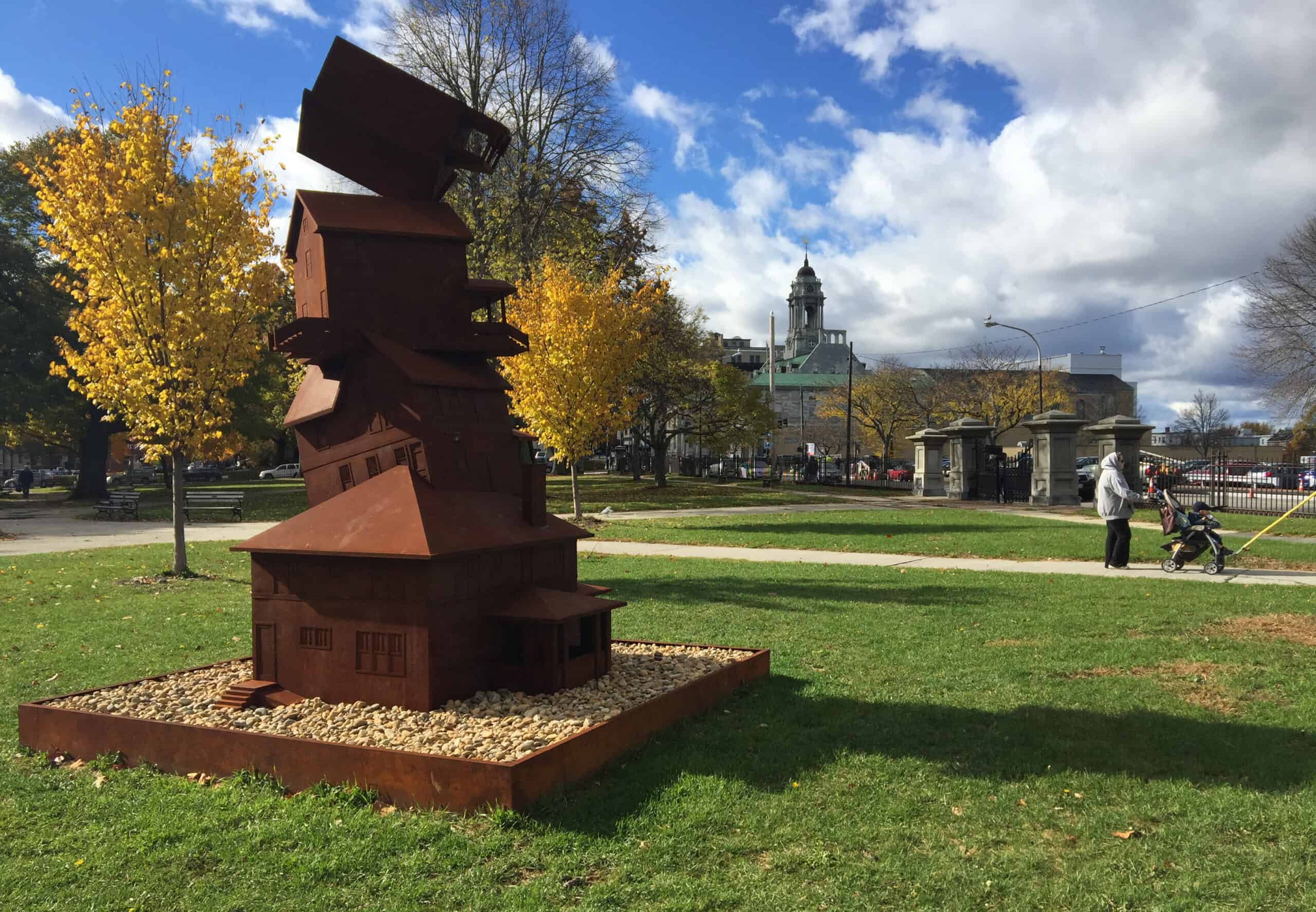
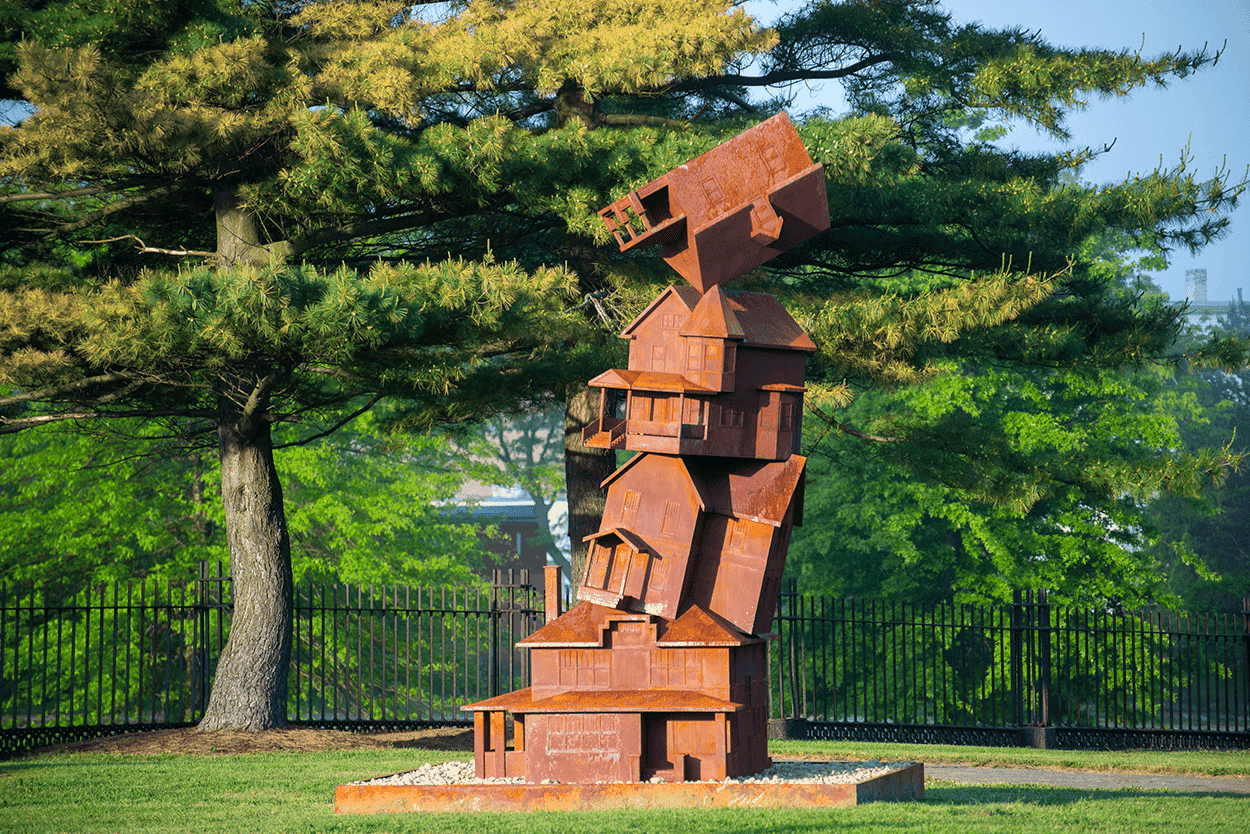
My work engages this relationship—and the potential tensions it has historically created—by exploring the importance of the single-family house to the “American Dream.” I believe the single-family home is in many ways the most recognizable icon of the American Dream because it simultaneously represents the achievement of both financial independence, and socio-economic belonging.
This irony fascinates me: what does it say about America that private home ownership translates into higher public standing? How does a society that so highly values the material gain embodied in home ownership transcend self-interest and become community? By stacking single-family homes in a vertical totem, I intend to provoke questions about how the American dream home both founded and fractured American communities.
In Northwest American Native societies, the totem is a critical symbol of societal cohesion—it is literally the central point of the community’s physical geography. And it represents “home” through strong identification with shared heredity and kinship (both biological and mythological). By stacking emblems of private achievement in totemic sculptural form, and displaying that sculpture in a public space, I want to raise questions about the fluid meaning of home and belonging, questions that hopefully resonate with the Portland community as it negotiates its own demographic and economic transitions in the 21st century.
About the artist
Judith Hoffman’s work explores our elemental need for a secure sense of home, whether permanent or ephemeral, embodied in the spaces, communities and structures within which we live.

Keep exploring
July 31, 2016
Summer update for “The American Dream” reflects engagement with the community
The sun is shining, the birds are chirping and the smells of…
July 4, 2016
“Rockland and Portland are leading a resurgence of 3D design.”
We are pleased to be included in Portland Press Herald’s review of…
May 27, 2016
TEMPOart Receives Horizon Foundation Grant to Support Educational Programs Inspired by “The American Dream” Sculpture
The Horizon Foundation, based in Portland, Maine, has awarded TEMPOart a $10,000…